Welcome to MOMENTSMART

The latest in smartwatch, wearable, and tech curated for you daily.

Apple Watch Bands for Every Lifestyle

Apple Watch Bands for Every Lifestyle: Nylon, Silicone, and More

August 16, 2026

An Apple Watch band is a vital accessory for your device. The right watch band can make your watch comfortable for daily use and add a personalized touch to your wrist. These straps can come in different designs, including soft silicone, rugged nylon, and timeless leather.

In this article, we’ll give you a clear comparison of the most popular Apple Watch band materials for every lifestyle. Whether you’re looking for a nylon Apple Watch band for casual use or a silicone band for hitting the gym, this article will help you make the right choice.
Apple Watch Bands for Every Lifestyle

Silicone Bands

  • Best for: Fitness and training
  • Main advantage: Easy to clean with water and mild soap

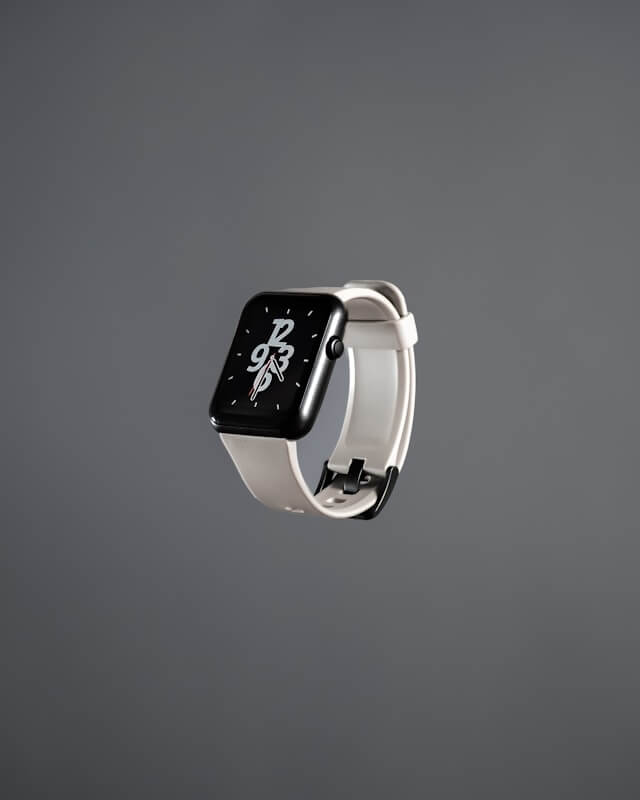
Most Apple Watch owners buy these devices to track fitness metrics such as calories and heart rate. Silicone bands can help you get the most out of your training watch by providing a tough, rubber-like material that withstands sweat and moisture. Its waterproof design means you can take your watch to the gym, running track, or even swimming sessions. Put simply, silicone is the best band for active lifestyles.

Nylon Bands

  • Best for: Casual and active lifestyles
  • Main advantage: Light and breathable design

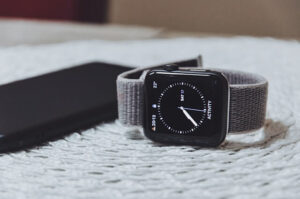
We find nylon bands to be excellent alternatives to silicone, offering a bit more practicality. Bands such as Sport Loop and Trail Loop are constructed from lightweight, breathable fabric, making them ideal for sweaty sessions. The woven fabric allows air to circulate, keeping your wrist comfortable and cool. In addition, you can pair your nylon strap with casual outfits on weekends and holidays.

Leather Bands

  • Best for: Work and smart-casual wear
  • Main advantage: Ages beautifully

Leather bands have been there since the invention of the first wristwatch. Today, these bands are the epitome of timeless class and elegance. You can pair your leather band with an office suit or casual weekend wear. In addition, leather is a natural material that absorbs oil, developing a unique patina. That’s why leather bands and belts age beautifully. The only drawback is that leather bands can absorb moisture.

Metal Bands

  • Best for: Business and professional settings
  • Main advantage: Polished looks and easy to maintain

Metal materials like stainless steel and titanium are perfect choices if you want to wear your Apple Watch to work. The elegant and polished look of these bands can make your watch look premium and incredibly strong. In addition, metal bands can come in a wide variety of finishes, including silver, bronze, and gold. And yes, they’re perfect for both men and women.

How to Choose an Apple Watch Band for Your Lifestyle

Choosing a good Apple Watch band for your lifestyle involves careful consideration of several features. Here are the main selection points:

  • Use Case: Do you intend to wear the watch to the gym or to work? Find out how you’ll use the watch before choosing a band. Some watch bands, such as Sport Loop, are more versatile, allowing you to wear them with your casual outfit or training gear.
  • Personal Style: Choose a watch band that matches your personal style and preference. For instance, you can choose silicone and nylon if you prefer bold colors. Stainless steel and leather are perfect for making your watch feel premium.
  • Comfort: This point is vital, especially if you plan to wear the watch all day. Nylon and stainless steel are perfect during hot weather due to their breathable design. Silicone and leather are also highly comfortable for extensive wear.

Having two or three bands designed for different use cases is the way to go. For example, you can purchase silicone and nylon bands for your training sessions and casual wear. You can also switch between leather and metal bands during work days or business meetings. We believe your Apple Watch is just as good as the band you choose.
Smartwatches

Are Smartwatches Collecting Too Much Personal Data?

August 13, 2026

Smartwatches have become essential lifestyle and fitness devices these days. These wearables can gather and store large volumes of data, ranging from daily steps to payment information. But the big question is: are smartwatches collecting too much sensitive data? We’ll help you answer this question and provide some privacy tips to keep in mind.

Smartwatches

Is Your Smartwatch Gathering Excessive Personal Data?

First of all, most of us consider smartwatches to be portable fitness devices, which is partially true. These wearable devices can gather your activity and fitness metrics, including steps, calories, and blood oxygen (SpO2). But we must also not forget that smartwatches collect real-time GPS locations and behavioral/personal information.

So, do these devices collect too much personal data? According to The Independent, smartwatches and other wearable devices collect “excessive” information. The research conducted by the consumer group, Which?, found that companies collected more data than necessary for device functionality.

The consumer champion said that a Huawei smartwatch they tested asked for unnecessary phone permissions, which they considered risky. The requested permissions include precise phone locations, file access, and access to other installed apps. Which? Also found similar issues with smart TV brands like Hisense, LG, and Samsung.

How Smartwatches Can Leak Personal Data

Smartwatch manufacturers are rightfully accused of collecting too much personal data. The threat goes even further because these devices can leak private information. Several reliable studies have found that data transmitted by smartwatches can be intercepted or stolen.

Research by Worcester Polytechnic Institute revealed that the electromagnetic signals from your watch that connect to cellular networks can be intercepted. The researchers say that hackers can track your activity data and build a matching profile for advertising or criminal purposes.

But the team didn’t stop without providing preventive measures. The institute advises authorities to come up with new regulations to protect private information when using these wearable devices. They also recommend deploying jam signal collectors and adding shielding to watches.

Smartwatch Cyber Tricks: Tips to Protect Your Personal Data

Cybercrime is definitely a real threat to the relatively new smartwatch technology. Thankfully, you can take several measures to ensure maximum data security and privacy. They include:

Use Bluetooth Most of the Time

Modern smartwatches often connect to cellular networks for pairing with the partner app. However, most of these devices also support Bluetooth connection, which transmits less electromagnetic data. Bluetooth transmits data over short distances (less than 10 meters), making it safer than a cellular connection.

Review Data Privacy Settings

This is the first thing to do, even before wearing your brand-new Apple Watch. Open the “Settings” in the companion app and check what data the device is collecting. You can decide to limit permissions for data like location, app access, and contact access. This way, you’ll not share more than enough data.

Set Physical Security

Sometimes you can accidentally lose your smartwatch, putting your private data at risk. In that case, make sure that you enable screen lock security, which comes with top brands like Apple, Samsung, and Garmin. Wrist detection is another handy feature that can help you know when the watch is not on your wrist.

Update the Firmware and Apps

Most smartwatch systems and apps provide regular updates. These updates often include security patches that fix security vulnerabilities and performance issues. If possible, enable automatic updates to download and install new systems without having to check manually.

The End

The smartwatch technology continues to improve our lives by providing powerful health and fitness features. However, these wearables also introduce new privacy challenges that require you to be proactive. By understanding the risks and protection measures, you can use your smartwatch without any security worries. Stay safe!

The Science Behind Fitness Tracking Wearables

August 7, 2026

Wearable devices, specifically smartwatches, have become an essential part of our active behaviors. These devices provide self-monitoring capabilities for metrics like calories, steps, heart rate, and stress. In short, they’re changing how we monitor our general well-being.

So, if you’re new to the world of fitness tracking wearables, this article is for you. We’ll explore the science behind these devices and how they function to provide you with real-time numbers

.Tracking Wearables

History of Wearable Fitness Trackers

First of all, a fitness tracker or an activity tracker is a wearable device that collects data about your bodily reactions during fitness sessions. These devices first became popular in 1981 when the first heart rate monitor was introduced for athletes. By the early 2000s, these devices became largely available to consumers, including commercial-grade gym machines.

The rise of companies like Apple, Garmin, and Fitbit saw these devices diversify to include commercial wristbands and smartwatches. Unlike the older models, these were smaller devices that you could wear on your wrist like a traditional watch. By 2010, companion apps were introduced for seamless compatibility with Android and iPhone devices.

The Tech Behind Wearable Fitness Trackers

Wearable fitness trackers use sensors to take readings directly from blood capillaries and movements. These sensors can be ring-based, earphone-based, or wrist-based. Wrist-based sensors are more common because your wrist provides a large area with good blood flow. They also come with large displays to give you real-time statistics on the go.

Today, there’s an increasing demand for wearable sensors, which can monitor body temperature, heart rate, and even blood pressure. Some devices can even measure sweat rates, something that was only possible in lab-based environments a few years ago.

Studies About Wearable Fitness Trackers: Are They Effective?

Studies show that one in five people owns a smartwatch or a wearable fitness tracker. These revelations prove that fitness trackers have become an irreplaceable part of our active lifestyles. But do these devices motivate people to work out more or change their lifestyles?

According to a study conducted by the Harvard Medical School, the answer is a big fat YES! Dr. Megan Wasfy, a cardiologist at Massachusetts General Hospital, says that regular physical activity can significantly improve heart health. She insists that taking 80 steps daily should be the goal.

Another study conducted by Science Direct on more than 163,000 participants found that activity trackers can increase your daily steps by 1,800. The researchers concluded that these devices can boost physical activities across several age groups.

However, research published in the Journal of the American Medical Association reveals that patients with wristbands lost less weight than those who monitored their activities. The take-home here is that you cannot maximize these devices by simply tracking data. Instead, they should be your fitness companion to push you to the next level.

Tips to Get the Most Out of Wearable Fitness Trackers

Up to here, we understand the tech and science behind wearable fitness trackers. But before we call it wraps, let’s discuss a few tips to help you live a healthier life with these devices.

  • Use it consistently to stay motivated, if possible, every day.
  • Wear it on your less dominant hand for the sensors to collect correct data.
  • Update your fitness progress on the companion app to keep track of your data.
  • Set goals, whether it’s 10,000 daily steps or 8 hours of sleep.
  • Create a social support network by inviting fitness friends and family.
  • Sync it to third-party fitness apps to get more in-depth fitness strategies.